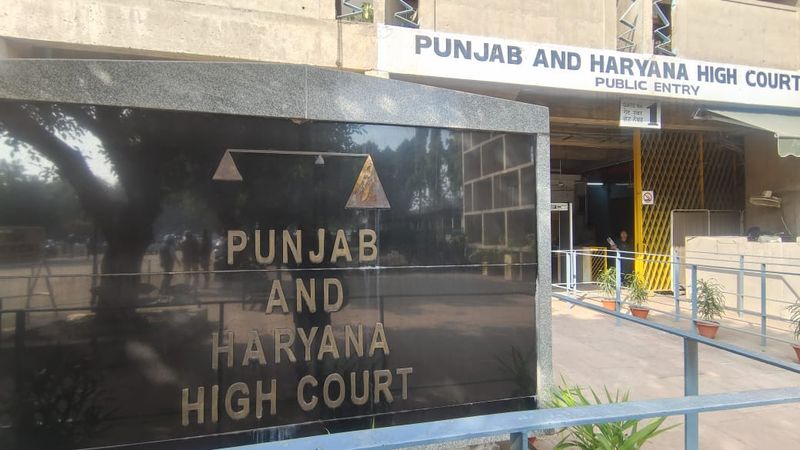
P&H HC : Declines Police Protection To Live-In Couple As Girl Is A Minor, Sends Her To Child Welfare Committee
The Punjab and Haryana High Court has refused to grant police protection to a live-in couple after noting that the girl is below 18 years of age, and directed that she be produced before the Child Welfare Committee.
In petition under Article 226 seeking protection of life and liberty from the girl’s family. The petitioners said they had been living together and feared threats from private respondents. The girl claimed to be 17 and a half years old while the boy is 18 and a half. The State informed the Court that an FIR had been registered against the boy and that the girl had not yet been traced.
The legal question was whether a court can extend protection under Article 21 to a live-in couple when one partner is a minor. Citing Supreme Court rulings in D. Velusamy v. D. Patchaiammal and Indra Sarma v. V.K.V. Sarma, the High Court noted that a “relationship in the nature of marriage” requires both partners to be of legal age to marry. Relying on Independent Thought v. Union of India, the Court reiterated that the age of consent is 18 years in all cases. It emphasized that the Prohibition of Child Marriage Act, the POCSO Act, and the Juvenile Justice Act are secular, welfare-oriented laws that override personal laws and criminalize child marriage and sexual activity with minors. Granting protection to a live-in relationship involving a minor would defeat these statutes, the Court said.
Declining the prayer for protection to the couple, the Court invoked its parens patriae role to protect the minor. It directed the petitioners to appear before the Senior Superintendent of Police within seven days so the girl can be produced before the Child Welfare Committee. The Committee must conduct an inquiry under Section 36 of the JJ Act, take interim measures, and pass final orders under Section 37 regarding her placement and welfare. The Court also directed the police to guard against any physical harm to the petitioners from private parties but clarified that such protection will not stand in the way of any lawful action against the boy in the pending criminal case.
