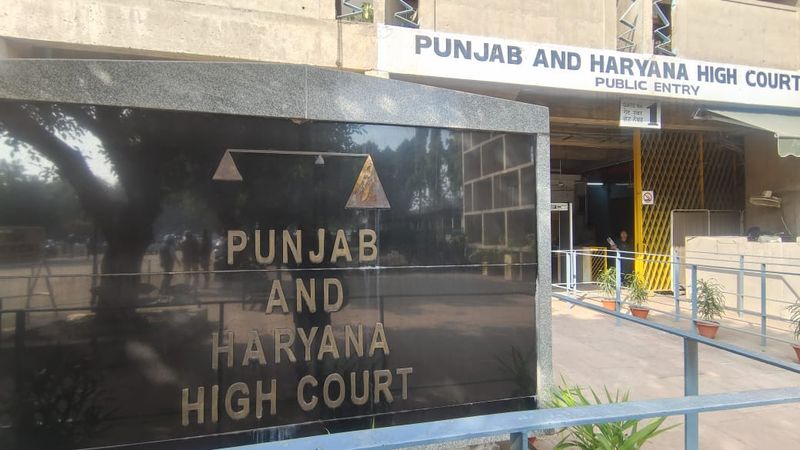
P&H: Suit for damages; Acquittal or discharge Alone Not Enough To Claim Damages For Malicious Prosecution; Civil Court has to conduct an independent enquiry.

punjab-haryana
⚖️ Order Date: 22 May 2026
Headnotes

Malicious prosecution — Suit for damages - For a decree of damages two conditions must co-exist, i.e. absence of reasonable and probable cause coupled with an oblique motive in setting law in motion and termination of proceedings in favour of person proceeded against. (Para 12)

Malicious prosecution — Burden of proof — Burden lies on plaintiff to plead and prove not only that prosecution failed but also that it was without reasonable and probable cause and was motivated by an oblique purpose - Onus shifts to defendant only after plaintiff...

Malicious prosecution — Suit for damages - Acquittal/discharge — Effect — Civil Court has to conduct an independent enquiry - Acquittal or discharge cannot constitute sole reason to decree damages for malicious prosecution - Law compensates for malicious prosecution and not for wrongful, uncalled for or merely...

Words and phrases — Malicious prosecution — Institution of proceedings without reasonable and probable cause and with an oblique motive, which terminate favourably to person prosecuted. (Paras 12 & 13) 


Facts of the Case

P&H: Suit for damages; Acquittal or discharge Alone Not Enough To Claim Damages For Malicious Prosecution; Civil Court has to conduct an independent enquiry.

High Court has allowed a second appeal and set aside concurrent decrees that had awarded Rs 80,000 as token damages in a suit alleging malicious prosecution based on a complaint made to Vigilance Bureau.

Plaintiff had sued for Rs 10 lakh, alleging that complaint to Vigilance Bureau contained false and scandalous allegations about his assets and was intended to defame him.

The Trial Court awarded Rs 80,000 as token damages for mental agony, which the First Appellate Court affirmed. In second appeal, Court  examined the legal requirements for the tort of malicious prosecution.

Court reiterated that a plaintiff must prove two essential...

Login required to open full judgment PDF
Login to Access File