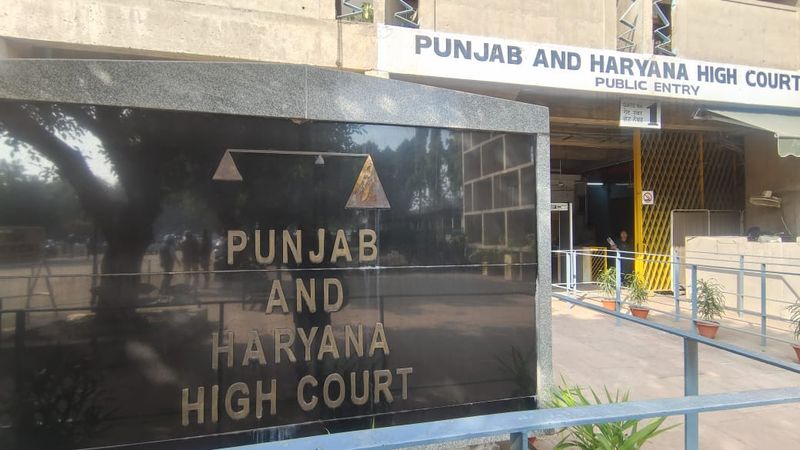
P&H: Allows Amendment of plaint in Common Passage Encroachment Suit, Says Consequential Relief Can Be Added

punjab-haryana
⚖️ Order Date: 21 Sep 2026
Headnotes

(i) Civil Procedure Code, 1908, O.6.R.17 — Amendment of plaint — Amendment sought to incorporate a consequential relief of removal of construction over common passage — Original suit was for permanent injunction against further encroachment upon the common passage — Proposed amendment was directly connected...

(ii) Civil Procedure Code, 1908, O.6.R.17 — Amendment of plaint — Amendment after commencement of trial — Issues had been framed but evidence had not commenced when application was filed — Defendants could meet the amended pleadings by filing consequential written statement and leading evidence...

(iii) Civil Procedure Code, 1908, O.6.R.17 — Amendment of plaint — Amendment necessary for determining real dispute regarding alleged encroachment upon the common passage and right to raise construction thereon — Refusal of amendment would have compelled separate proceedings for removal of construction and would...

(iv) Civil Procedure Code, 1908, O.6.R.17 — Amendment of plaint — Original plaint specifically pleaded that passage was more than 12 feet wide and that about 1.5 feet had already been encroached upon by defendants — Reference to 10.5 feet cannot, by itself, be construed...


Facts of the Case

P&H: Allows Amendment of plaint in Common Passage Encroachment Suit, Says Consequential Relief Can Be Added

The Punjab and Haryana High Court has allowed a plaintiff to amend her plaint in a dispute over alleged encroachment on a common passage, holding that the proposed change was only a consequential relief arising from the original pleadings.

Justice Deepak Gupta was hearing a petition filed by Mohinder Kaur under Article 227 of the Constitution after the trial court rejected her application under Order VI Rule 17 of the Code of Civil Procedure. She had filed a suit seeking a permanent injunction to stop the defendants from making further encroachment on a common passage.

According to the plaint, the...

Login required to open full judgment PDF
Login to Access File